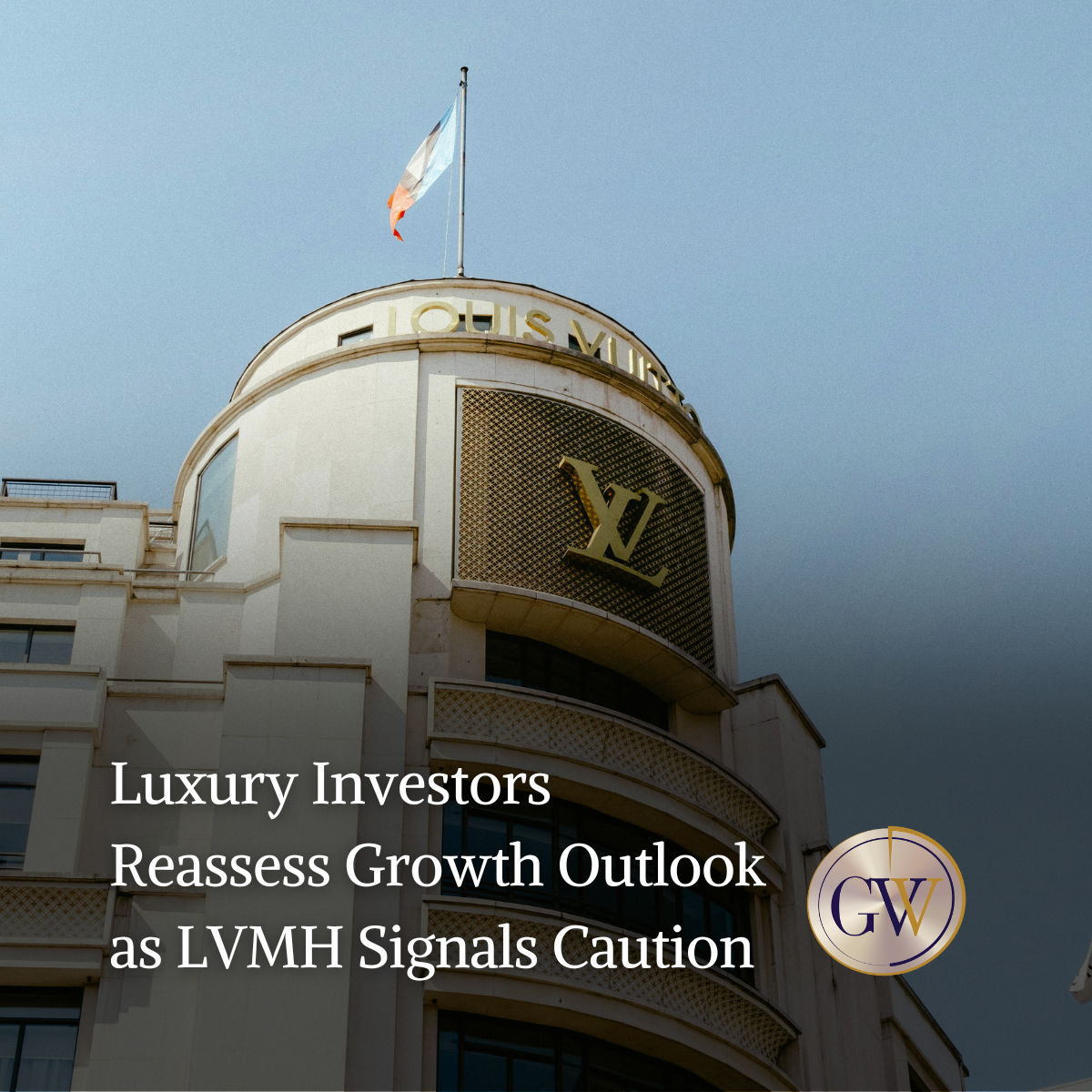
Luxury Investors Reassess Growth Outlook as LVMH Signals Caution
Investors in LVMH, the world’s largest luxury goods group, are adopting a more cautious stance toward the sector in early 2026, reflecting growing uncertainty over whether years of strong post-pandemic growth can be sustained. While luxury shares rallied late last year on optimism that demand would stabilize, that confidence has begun to soften as concerns emerge around pricing limits and consumer fatigue.
Portfolio managers cited by Reuters point to the cumulative impact of repeated price increases across luxury brands, raising questions about how much further revenue growth can be achieved without a corresponding expansion in volumes. While demand has not collapsed, investors are increasingly skeptical that the exceptional growth rates seen after the pandemic represent a new normal for the industry.
LVMH’s results and outlook have become a focal point for these concerns, given the group’s size and influence across fashion, leather goods, jewelry, and wines and spirits. Although some markets have shown signs of stabilization, growth remains uneven, and visibility into consumer behavior has become less clear amid broader economic and geopolitical uncertainty.
China, long a key engine of luxury demand, features in investor assessments but is not the sole driver of caution. Fund managers note that expectations for a rapid rebound in spending have moderated, reinforcing broader doubts about global luxury momentum rather than signaling a market-specific downturn.
The reassessment highlights a shift in how investors view the sector: from one driven primarily by pricing power and expansion to one more sensitive to consumer resistance and macroeconomic conditions. As luxury groups navigate 2026, market participants are increasingly focused on execution, discipline, and resilience rather than headline growth alone.